Quick answer (TL;DR)
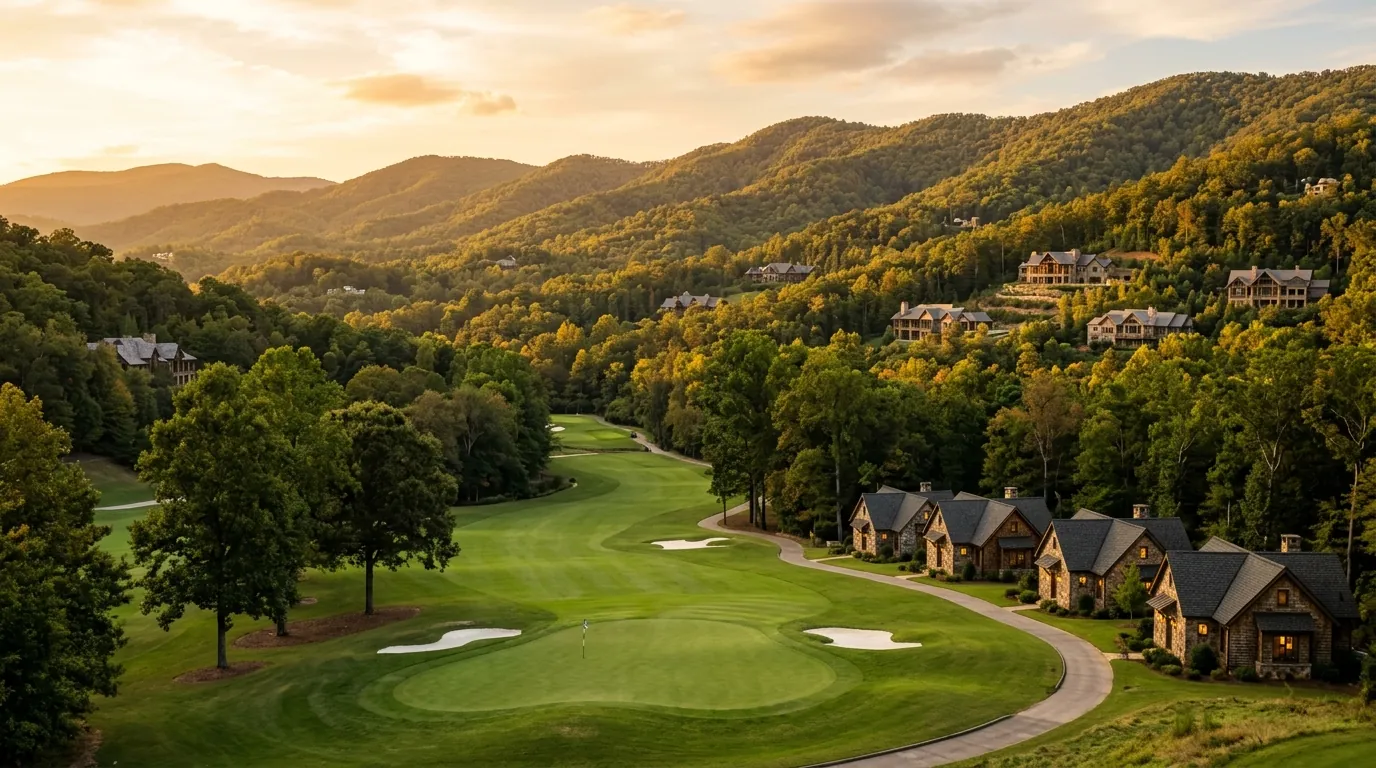
Achasta sits on the edge of Dahlonega, the Lumpkin County seat, with the Chestatee River along community property and the mountains spreading out beyond town. The nearby geography residents actually use: the historic town square, the river, general mountain access, and the everyday services in and around Dahlonega. Distances and details vary, so treat this as orientation, not a schedule.
Near Achasta, the Dahlonega town square is the default nearby destination, the Chestatee River runs along community property, and mountain access starts where the valley opens up.
The orientation, in plain terms
Achasta sits on the edge of Dahlonega, the seat of Lumpkin County, in the North Georgia mountains. The community holds a valley on the Chestatee River; the town holds its square and the ridges around it. Between the two runs a stretch of road so familiar to residents it stops registering as distance. That geometry, valley community on one end and working mountain town on the other, is the whole story of what is near Achasta.
This guide is written from the resident side, not the visitor side. The question it answers is not what to see on a weekend trip but what sits around your address on an ordinary Tuesday: where the coffee run goes, where the river walk starts, where the errands happen, and what the mountains around all of it actually give you.
The historic town square, ringed by shops and restaurants, is the town’s default gathering place.
The river runs along community property and through the area’s outdoor life.
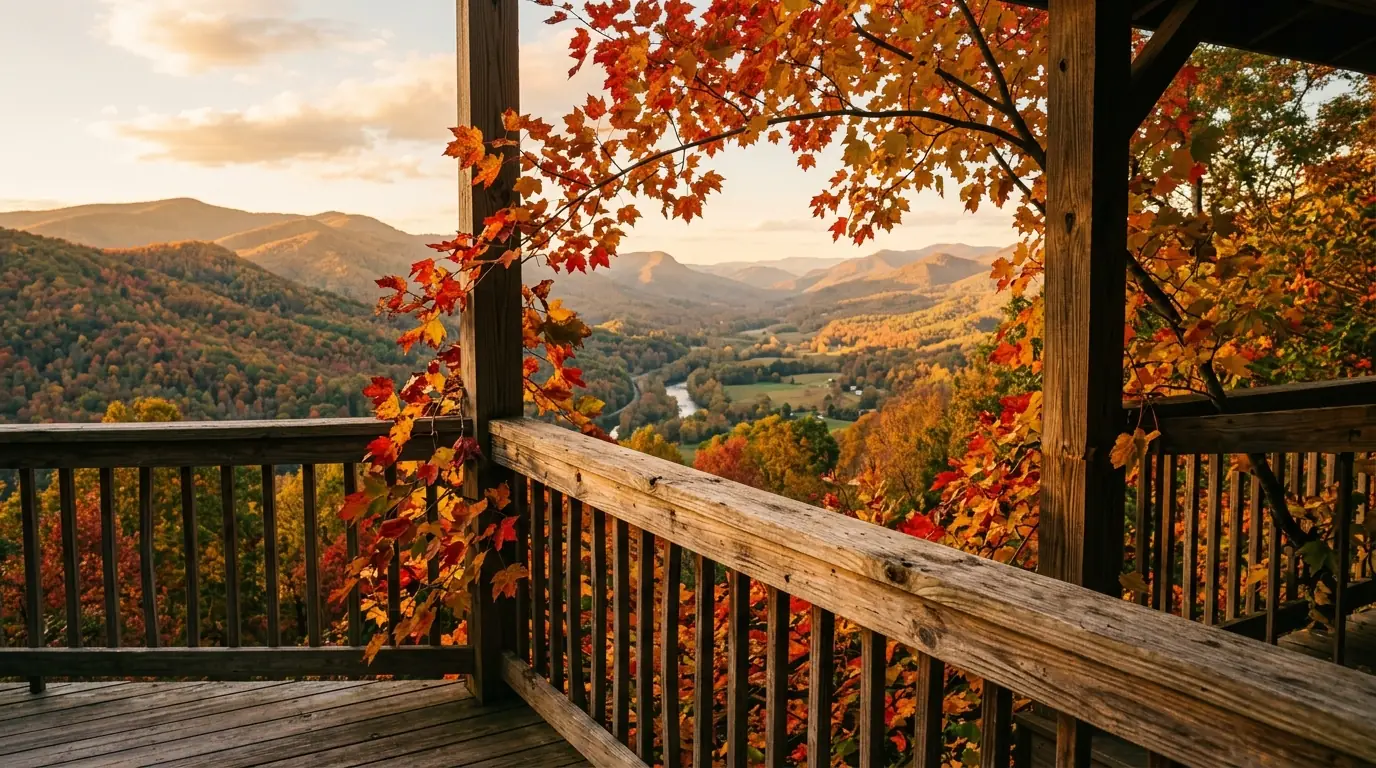
Public land and mountain roads spread out beyond town in the North Georgia high country.
The town square and weekly life
Dahlonega’s public square is the center of gravity. A historic courthouse building sits in the middle of it and houses the Dahlonega Gold Museum, a public landmark that carries the town’s gold-rush story. Shops and restaurants ring the square, and the streets around it are compact enough that a visit becomes a walk rather than a drive. For residents, the square is the default destination: an errand run, dinner out, whatever the day’s agenda requires.
The University of North Georgia’s historic campus is part of the town itself, and a university does quiet work for the people who live around it. It keeps the town’s restaurants, services, and general rhythm running on a year-round calendar instead of a visitor season, which matters when you live here in February.
The town’s identity runs back to the 1828-1829 Georgia gold rush, which started in this area, and that history is still the town’s public face: the museum on the square, the gold references on the storefronts, the story every visitor learns on day one. For a resident it becomes background, the way any hometown story does, until guests visit and you find yourself giving the tour again. For the background, read this account of the Dahlonega gold rush.
Out the other way: river and mountains
The Chestatee River runs along community property at Achasta and threads the wider area, and it is the outdoor feature residents use most without driving anywhere. Walking the river ground or sitting by moving water is daily-life access, not a planned outing. It changes with the seasons, which keeps it from becoming background. Our piece on how Achasta residents enjoy the Chestatee River covers the river side of the community in detail.
Beyond the valley, the mountains open up. Public land spreads through the North Georgia high country north and west of town, with hiking, drives, and the seasonal color the region is known for. Residents tend to explore it in the same rhythm as everything else here: steadily, close to home, more often than a trip planner would suggest. The year’s rhythm is covered in the seasons at Achasta.
Mountain roads wind, winter weather changes routines for stretches of the season, and travel time varies with route and conditions. None of that is a problem; it is part of living in the mountains. It is worth building your ordinary week with that texture in mind rather than a flat-map estimate of it.
The everyday infrastructure
Ordinary life needs ordinary things, and Dahlonega carries them at small-town scale: groceries, pharmacies, hardware, banks, and medical care exist in and around town. For anything the town does not hold, larger communities elsewhere in the region sit within a mountain drive, which is the standard trade-off of living at elevation. If your week depends on a specific service, the move is to check where it actually lives before assuming, the same verification habit that serves people well everywhere in this region.
This is where the appealing view meets the practical week. The residents who settle in happily here are the ones whose errands fit the town’s scale, and the ones who struggle imagined a version of mountain living that did not include Tuesday.
How the proximity shapes community life
Town proximity is quietly one of Achasta’s main amenities. Dinner in town after a day on the course, the square as the default place to walk with guests, a community whose social calendar and the town’s complement each other rather than compete: the relationship works because the town is close and real, not a resort strip. Visitors and family also have an easy base in town, which keeps hosting simple.
The broader frame is living near a signature golf course in North Georgia, and the resident-side picture of the community itself is living in Achasta. Between the valley, the river, and the square, the geography of daily life here is unusually complete for a mountain address.
Frequently Asked Questions
What is near Achasta in Dahlonega?
The short list: the town of Dahlonega itself, beginning with its historic public square; the Chestatee River, which runs along community property; the mountain and river access of the wider North Georgia high country; and the everyday services of a county seat. It adds up to a complete small-town geography around the community rather than a resort strip.
How close is Achasta to downtown Dahlonega?
The community sits on the edge of town, close enough that the square is the default nearby destination for coffee, dinner, and errands rather than a planned trip. Exact travel time depends on route, traffic, and season, so treat that as orientation. The practical point is that town is part of the ordinary week here, not an excursion.
What is there to do in Dahlonega?
Walk the historic square and visit the Dahlonega Gold Museum, spend time along the Chestatee, explore the mountain roads and public land of the high country, and sample the area’s well-known winery scene. For current specifics on any attraction, hours, events, or participating businesses, check directly with the town’s visitor resources.
What is the Dahlonega Gold Museum?
A public landmark in the historic courthouse building on the town square, telling the story of the Georgia gold rush that began in this area in the late 1820s. It is the town’s signature public attraction and an easy stop whenever guests visit. Confirm current hours and admission directly with the museum before you go.
Is the University of North Georgia in Dahlonega?
Yes, the university’s historic campus is part of the town. For residents, its presence keeps restaurants, services, and the general rhythm of the place running year-round rather than on a visitor season, which is a real quality-of-life difference in a small mountain town.
Can you get to hiking from Achasta?
Yes, at two scales. Inside the community, trails and the river ground supply the everyday outdoor circuit. Beyond it, the public land of the North Georgia high country spreads out from the area with longer hikes and mountain drives. Current trail details inside the community are best confirmed with community management.
What river runs through the Dahlonega area?
The Chestatee River. It flows near town and along Achasta’s community property, and it anchors the outdoor side of life in the area: walking ground, moving water, and a corridor of green through the valley. Our site covers the river side of the community in a dedicated piece.
Is Dahlonega a walkable town?
The core of it is. The square and the streets around it are compact and built for strolling, which is why it functions as the town’s living room. Out from the center, the terrain and the distances of a mountain town take over, so plan on walking the middle and driving the edges.
What is the history of Dahlonega?
It is the Lumpkin County seat, and its public identity runs back to the 1828-1829 Georgia gold rush, which started in this area. The gold-rush story shaped the town’s architecture, its museum, and its name recognition. It remains the thread visitors know the town by.
Are there wineries near Dahlonega?
Yes, the area around Dahlonega is known for a cluster of wineries and tasting rooms, part of the broader North Georgia wine country. It is a standing weekend option for residents and a draw for visiting guests. We do not name or recommend specific businesses; current options are easy to find through the town’s visitor resources.
Does it snow in Dahlonega?
Occasionally. At mountain elevation the area gets real winter weather in stretches, enough that residents plan for slow roads and quiet weeks during the coldest part of the year. It is one of the seasonal textures covered in our piece on the seasons at Achasta.
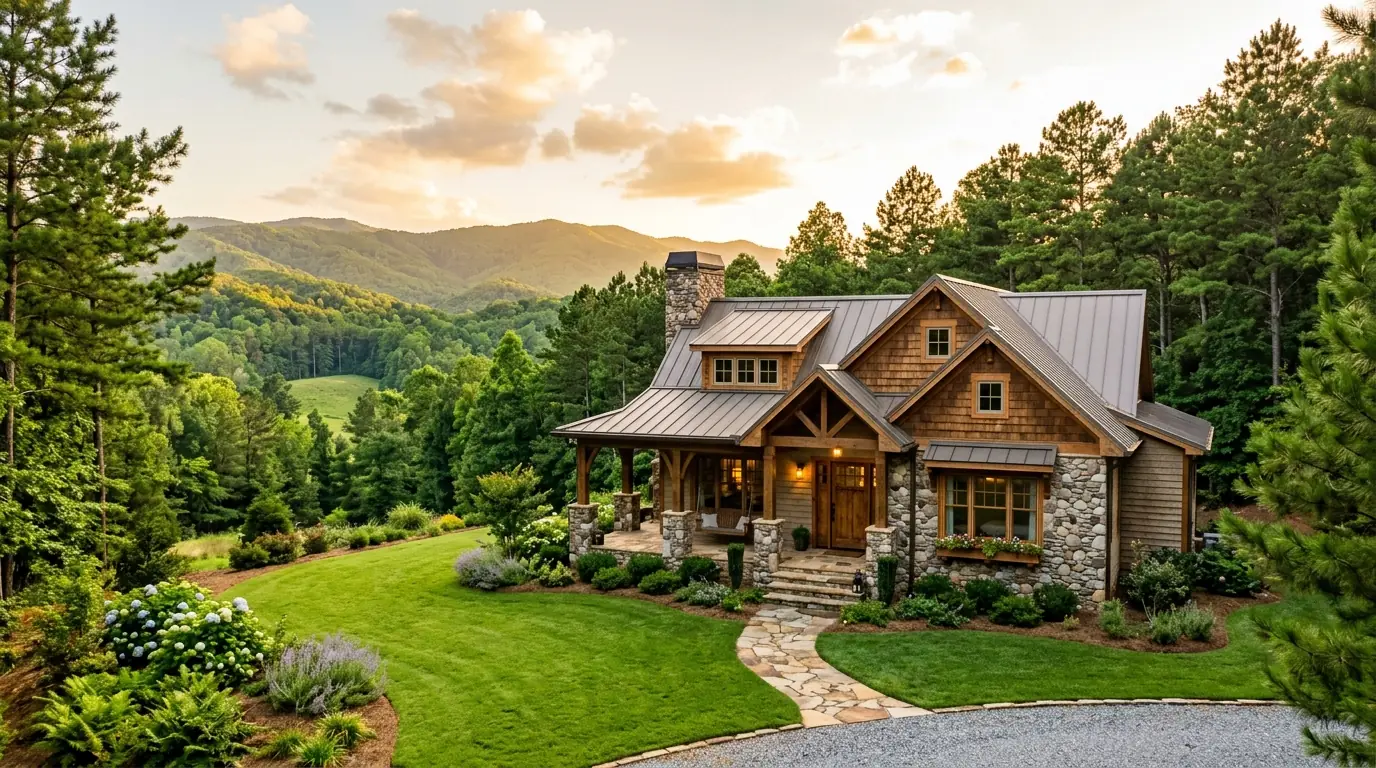
Ready to buy a home near Dahlonega?
When the location works for you, Talk with Gold Peach Realty about buying a home in Dahlonega, North Georgia or call (770) 283-1223.