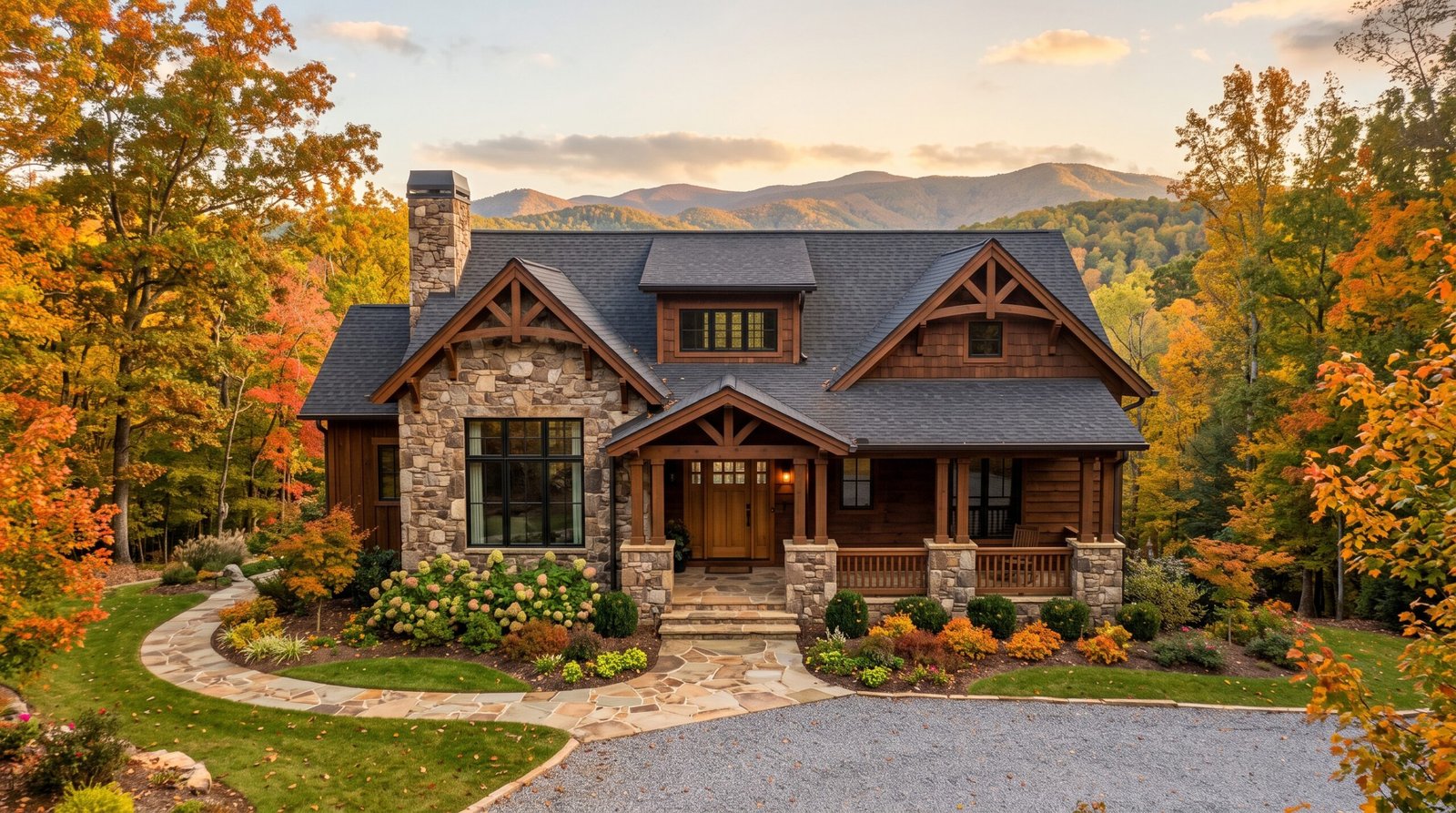
Achasta’s HOA covenants and governing documents set the community’s standards for architecture, landscaping, and conduct. Before buying or planning any exterior project, request the current declarations, amendments, and Architectural Review Board guidelines from the association. The ARB reviews proposed changes before work begins. Covenant language has not been independently verified; request current documents in writing from the HOA for every specific question.
Achasta’s HOA covenants establish standards for architecture, landscaping, and resident conduct across the community. The Architectural Review Board approves exterior changes before work begins. Always request current governing documents directly from the association before any purchase or renovation decision.
What do HOA covenants cover in a community like Achasta?
HOA covenants, formally recorded as declarations and their amendments, define the rules that apply to every property in the community. They address exterior aesthetics, landscaping standards, the types of structures permitted, how common areas are maintained, and how residents relate to shared assets. In a private golf community set along the Chestatee River in Dahlonega, those standards tend to be more detailed than in a conventional subdivision.
Covenants are recorded legal instruments. When you buy a home in Achasta, you take title subject to whatever is currently in those documents. The word “current” carries real weight; governing documents can be amended, and a description from a listing, a neighbor, or an older article reflects one person’s understanding at one point in time.
Declarations typically address exterior changes, landscaping, permitted structures, signage, vehicle storage, and amenity use. They generally do not regulate interior renovations invisible from outside. Confirm which categories apply to the specific property from the current association documents.
The broader Achasta community rules and resident life overview covers how the full document set shapes day-to-day life. This article focuses on the covenant and ARB questions buyers and current homeowners ask most often.
How does the Architectural Review Board process work?
Most HOA communities with design standards maintain an Architectural Review Board — sometimes called an Architectural Control Committee — that reviews proposed exterior changes before any work begins. The board applies the community’s recorded design guidelines to each submission and issues a written determination.
The process follows a defined sequence. Submitting plans and receiving written approval before breaking ground is the standard expectation. Working without approval, or proceeding when an application is still under review, can lead to required restoration at the owner’s expense and formal enforcement action under the governing documents.
- Review current guidelinesRequest the ARB or ACC guidelines from the association before planning anything. The guidelines tell you what to submit and what the board evaluates.
- Prepare complete plansGather drawings, materials specifications, dimensions, and any other information the guidelines require. Incomplete submissions typically cannot be reviewed.
- Submit the applicationUse the association’s current form and process. Confirm the submission address, contact, and any applicable fees directly with the association.
- Wait for written approvalVerbal reassurances from a neighbor or contractor do not substitute for written approval from the ARB. The written document authorizes the project.
- Begin only after approvalStarting work before written approval arrives puts the project at risk, regardless of how routine the change appears.
- Document completionSome associations require a completion notice or inspection. Confirm close-out steps from the current guidelines before you begin.
A project that looks routine may still require formal ARB review under the governing documents. The cost of reversing unauthorized work is far greater than the time spent submitting an application and waiting for a written decision.
What changes typically require architectural review?
The specific list varies by association and changes when governing documents are amended. As a general guide, most ARB processes in private residential communities focus on changes that affect the exterior appearance of a home or lot as seen from streets, common areas, or neighboring properties.
| Type of change | Typically requires ARB review? | What to confirm |
|---|---|---|
| New structure or addition | Yes, in most communities | Plans, setbacks, materials, and footprint |
| Exterior paint or finish | Often yes | Current approved palette or approval process |
| Fence, wall, or screening | Often yes | Height, materials, and location rules |
| Driveway changes | Often yes | Surface material and footprint limits |
| Landscaping alterations | Depends on scope | Which changes exceed the review threshold |
| Garage door replacement | Varies | Style and material approval requirements |
| Interior renovations | Typically no | Confirm if any portion is visible from outside |
A useful ARB question names the exact document section governing the proposed change, what the board needs to evaluate it, and how long review typically takes under current practice.
Understanding what buyers should know before moving to Achasta connects the covenant requirements to the broader picture of ownership in the community. The ARB process is one part of that picture — not a separate concern to address after closing.
How do covenants shape day-to-day life in Achasta?
For most residents, covenants stay in the background. Once a home is in proper condition and no project is underway, daily life rarely turns on what the governing documents prohibit. The Jack Nicklaus Signature 18-hole golf course, the Chestatee River corridor, and the wooded North Georgia foothills are what most residents name first when they describe living in Achasta, not the rulebook.
Where covenants become visible is when a homeowner wants to make a meaningful change: adding a sunroom, updating a driveway, changing the landscaping plan. Having a clear sense of the review process before starting separates a smooth project from one that stalls while approvals are sorted out after the first wall goes up.
Covenants also shape what prospective buyers see on a tour. Consistent architectural standards and maintained common areas are typically the result of an active association and enforced governing documents, not an accident. That consistency is part of what supports long-term property values in a private community like Achasta.
What a neighbor, listing agent, or longtime resident says about what’s permitted reflects their understanding at one point in time. The governing documents — and any amendments — are the authoritative source. Request the current version from the association.
If you are weighing how the community’s structure affects daily experience, it also helps to know whether Achasta is a gated community and how that relates to the association’s role in managing access and shared standards.
What documents should buyers request before closing?
Covenants become your obligation on the day you close. There is no grace period to review them afterward, and the assumption that a summary captured the key points is not a substitute for reading the current documents yourself.
Request from the association: current declarations and all amendments, bylaws, rules and regulations, ARB guidelines, budget and reserve information, recent meeting records, and an account statement for the property. Request from the seller: any pending ARB applications, open enforcement matters, or disclosed changes under discussion that may affect the transaction.
Your closing attorney can explain which recorded instruments affect title and what the association statement means for the transaction. The practical step before making an offer is to read the declarations and identify the sections governing what you plan to do with the property. If you expect to make changes, request the ARB guidelines and ask the association what a review for your specific project would require.
Frequently Asked Questions
What are HOA covenants, and how do they apply in Achasta?
HOA covenants are recorded legal documents (typically called declarations and their amendments) that govern how properties in the community may be used and maintained. When you buy a home in Achasta, you take title subject to the covenants currently in place. Request the current declarations from the association before closing; do not rely on summaries from a listing or a third party.
What does the Architectural Review Board do?
The Architectural Review Board (sometimes called the Architectural Control Committee) reviews proposed exterior changes against the community’s design guidelines before any work begins. Its role is to evaluate compliance with current standards, not to design the project for you. Submit a complete application and wait for written approval before starting any covered project.
What kinds of exterior changes typically require ARB approval in Achasta?
Most ARB processes cover new structures or additions, exterior paint or finish changes, fences and screening, driveway alterations, and significant landscaping work. The exact list lives in the governing documents. When in doubt, ask the association whether a specific project requires a formal submission before beginning any work.
Can I start a project before receiving ARB approval?
Starting work before receiving written ARB approval carries real risk regardless of how straightforward the project seems. Unauthorized work may require restoration at the owner’s expense and can result in formal enforcement under the governing documents. Obtain written approval first, then begin.
How do I apply for ARB approval at Achasta?
Request the current ARB or ACC guidelines from the association. Those guidelines cover the required form, submission process, materials needed, any fees, and the typical review timeline. Each of those details should come from the current documents, not from a previous owner’s experience or secondhand account.
Are Achasta’s governing documents publicly available?
Recorded declarations and amendments are typically filed with the county and may be located through public records. For current versions, complete amendments, and supplemental rules or guidelines, request directly from the association. A recorded document search may not capture subsequent amendments unless you confirm the search runs through the current date.
Can the HOA covenants be amended?
Yes. Most governing documents allow amendments through a defined process, typically requiring a vote of the membership or board. An amendment changes the operative rules from that point forward. Ask the association whether any amendment has been proposed, approved, or is currently in effect that was not reflected in the version you reviewed.
Can I rent my Achasta home on a short-term basis?
Short-term-rental rights in Achasta are governed by the HOA covenants, and the current covenant language has not been verified — do not assume a home can be short-term rented, and request the current covenants in writing from the HOA.
How do covenants affect landscaping choices at Achasta?
Landscaping standards vary by community and can include provisions on plant types, lawn maintenance, hardscape materials, and the scope of changes that trigger ARB review. Request the current landscaping-related rules and ARB guidelines from the association before planning any significant work on the yard or lot.
What should I do if a neighbor’s project appears to violate the covenants?
The association is responsible for enforcing the governing documents. Report your concern in writing to the appropriate association contact and let the formal process proceed. Enforcement is an HOA function, not a neighbor-to-neighbor matter.
What documents should I request before buying an Achasta home?
Request the current declarations and amendments, bylaws, rules and regulations, ARB guidelines, budget, reserve information, recent meeting records, and a property account statement. Have your Georgia closing attorney review title, recorded instruments, and the association statement as part of the transaction.
Who can help me understand Achasta’s HOA documents before making an offer?
A local real-estate professional familiar with Achasta can help you organize the right questions. For document interpretation, title review, and advice on what each instrument means for the transaction, work with a Georgia closing attorney. The association itself is the source for current documents and process questions; they are not interchangeable with agents, neighbors, or online summaries.
Thinking about buying in Achasta or the Dahlonega area?
Gold Peach Realty knows the North Georgia market — from HOA due diligence to finding the right home for the right buyer.
Get a free North Georgia home valuation from Gold Peach Realtyor call (770) 283-1223